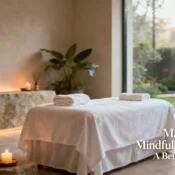

What Is Massage Therapy and Why Is It Important?
If you spend your days hunched over a laptop in Gulshan, stuck in Dhaka’s notorious traffic, or constantly on your feet running a business, you already know what chronic tension feels like. It’s that tight knot between your shoulder blades, the dull headache that shows up by four in the afternoon, the restless nights where your mind simply won’t switch off. Understanding massage therapy benefits matters more now than ever for people living and working in a fast-paced city like Dhaka, because what most people treat as an occasional indulgence is actually one of the most effective, evidence-backed tools available for managing both physical and mental strain.
Massage therapy is one of the oldest wellness disciplines in the world, practiced across cultures for thousands of years, yet many people still underestimate what it can do. In this guide, we’ll walk through what massage therapy actually is, how it works on the body, why it matters for everyday wellbeing, and what you can expect when you book a session with a trained professional in Dhaka.
What Is Massage Therapy?
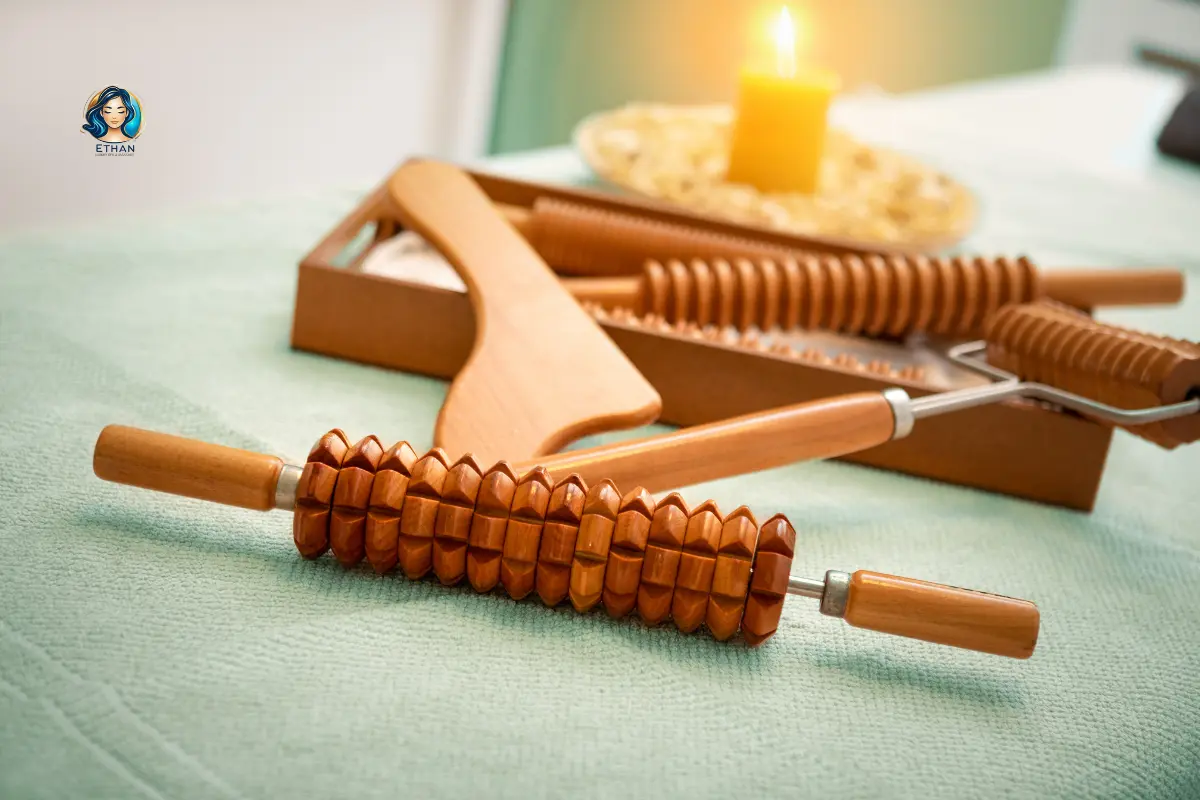
At its core, massage therapy is the structured manipulation of the body’s soft tissues, including muscles, tendons, ligaments, and connective tissue, using the hands, fingers, forearms, or sometimes specialized tools. A trained massage therapist applies varying degrees of pressure, rhythm, and technique to release tightness, improve mobility, and calm an overworked nervous system. So what is massage therapy beyond this simple definition? It’s a discipline that blends anatomy, physiology, and touch into a structured treatment, not a random rubdown.
The techniques themselves vary widely. Some involve long, gliding strokes designed to relax surface muscles. Others use deep, targeted pressure to release knots that have built up over months of poor posture or repetitive strain. Therapists are trained to read how tissue responds, adjusting their approach based on where tension is held and how a client’s body reacts in real time.
Massage as a healing practice isn’t new. Ancient Chinese medicine documented therapeutic touch techniques over 2,000 years ago, Ayurvedic traditions in South Asia have used oil-based massage for both relaxation and medicinal purposes for centuries, and Greek physicians like Hippocrates wrote about the value of rubbing and friction for treating physical ailments. What’s changed is that modern research has caught up with what these traditions understood instinctively: structured touch produces real, measurable changes in the body.
How Does Massage Therapy Work?
Understanding how massage therapy works helps explain why its effects go far beyond simply feeling good for an hour. When a therapist applies pressure to muscle tissue, several things happen simultaneously inside the body.
First, blood flow increases to the area being worked on. This brings fresh oxygen and nutrients to tired muscle fibers while helping flush out metabolic waste products, like lactic acid, that accumulate during physical exertion or prolonged sitting. Second, massage stimulates the parasympathetic nervous system, the part of your body responsible for rest and recovery. This shift away from the stress-driven sympathetic state is why a good massage can lower heart rate and blood pressure within minutes.
There’s also a hormonal component. Skilled massage techniques have been shown to reduce circulating cortisol, the body’s primary stress hormone, while encouraging the release of serotonin and dopamine, two neurotransmitters tied directly to mood regulation. This is part of why people often describe feeling not just physically looser but genuinely calmer and more emotionally settled after a session.
On a mechanical level, massage also helps break down adhesions, the small bands of rigid tissue that form in muscles after injury, overuse, or long periods of poor posture. By working through these adhesions, a therapist can restore range of motion and reduce the kind of chronic stiffness that stretching alone often can’t fix.
The Importance of Massage Therapy in Modern Life
The importance of massage therapy has grown alongside the demands of modern urban life, and Dhaka is a clear example of this shift. Lengthy daily travel, prolonged hours seated at a desk, inconsistent sleep patterns, and near-constant exposure to screens place a continuous, mild burden on the body—one that most individuals never truly confront. Unlike an acute injury that forces you to stop and seek treatment, this kind of cumulative tension builds quietly. You adapt to it until tight shoulders and a stiff lower back start to feel normal.
This is precisely the gap massage therapy fills. It’s a proactive form of care rather than a reactive one. Office workers in commercial hubs like Gulshan, Banani, and Motijheel spend eight to ten hours a day in postures the human body wasn’t designed to hold for that long, and the physical toll shows up as neck stiffness, tension headaches, and lower back pain long before it shows up as anything a doctor would diagnose. Regular massage therapy interrupts that slow accumulation before it becomes a chronic issue requiring more intensive treatment.
There’s also a mental health dimension that deserves attention. Rates of reported stress and burnout among working professionals in Dhaka have climbed in recent years, and while massage therapy isn’t a replacement for clinical mental health care, it plays a meaningful supporting role. The simple act of dedicating an hour to physical stillness, away from phones and deadlines, gives the nervous system a genuine chance to reset.
Key Health Benefits of Massage Therapy
The full range of massage therapy benefits touches nearly every system in the body. Below are the effects that show up most consistently, both in clinical research and in what clients report after regular sessions.
Stress Relief and Mental Relaxation
Massage therapy for stress relief is one of the most well-documented benefits of the practice, and for good reason. Therapeutic touch directly activates the body’s relaxation response, lowering cortisol levels and reducing the physical symptoms of chronic stress, things like a racing heartbeat, shallow breathing, and persistent muscle guarding. Clients frequently describe a noticeable mental shift during a session, where racing thoughts slow down and a sense of calm takes over that often lasts well beyond the appointment itself.

Pain Relief and Muscle Recovery
For anyone dealing with ongoing discomfort, pain relief massage therapy offers a non-invasive alternative or complement to medication. Targeted techniques work directly on the muscle fibers and connective tissue responsible for chronic aches, whether that’s tension in the upper back from desk work, tightness in the legs from standing all day, or general soreness from physical activity. Through enhanced blood flow and the release of muscular adhesions, massage supports quicker bodily recovery and lowers the chance that pain develops into a lasting issue.
Improved Blood Circulation
Better circulation is one of the more underrated health benefits of massage therapy. Improved blood flow means oxygen and nutrients reach muscle tissue more efficiently, which supports faster healing and reduces fatigue. For people who sit for extended periods, this is particularly valuable, since prolonged sitting is known to slow circulation in the legs and lower back.
Better Sleep Quality
Many clients report that their sleep noticeably improves after consistent massage sessions. This is biologically logical: reduced cortisol and a more relaxed nervous system make falling asleep, and staying asleep overnight, considerably easier. For people dealing with insomnia linked to stress or physical tension, massage therapy can be a useful piece of a broader sleep improvement routine.
Posture Correction and Flexibility
Years of sitting at a desk or looking down at a phone gradually shorten certain muscle groups while overstretching others, which is exactly how poor posture develops. Massage therapy helps release the tight muscles contributing to this imbalance, particularly around the neck, shoulders, and hips, while improving overall flexibility. This doesn’t fix posture permanently on its own, but combined with mindful movement, it makes a real difference.
Mood and Mental Health Support
The release of serotonin and dopamine during massage contributes to a genuine, measurable mood lift. For people managing anxiety or low-level depression, regular massage therapy isn’t a substitute for professional mental health treatment, but it can meaningfully support overall emotional wellbeing alongside it.
Boosted Immune Function
Some research suggests that massage therapy can support immune function by improving lymphatic circulation, the system responsible for clearing waste and toxins from the body. While this shouldn’t be relied on as a primary defense against illness, it’s a worthwhile additional benefit for anyone already prioritizing their overall health.
Therapeutic Massage Benefits vs Relaxation Massage Benefits
Not all massage is designed to do the same thing, and understanding the difference helps you choose the right session for your needs. Therapeutic massage benefits tend to center on addressing a specific physical issue, like chronic pain, injury recovery, or muscular tightness from repetitive strain. Relaxation massage therapy benefits, on the other hand, focus more broadly on calming the nervous system and providing a mental reset, even if there isn’t a specific physical complaint driving the visit.
| Aspect | Therapeutic Massage | Relaxation Massage |
| Primary goal | Address specific pain or muscular issues | Reduce stress and promote calm |
| Pressure level | Often firm to deep | Typically light to medium |
| Best for | Chronic pain, injury recovery, postural issues | General stress, mental fatigue, occasional self-care |
| Typical duration | 60 to 90 minutes | 45 to 60 minutes |
| Follow-up frequency | Often weekly or biweekly during treatment | Monthly or as needed |
Neither approach is better than the other; they simply serve different goals. Many people benefit from alternating between the two depending on what their body needs at a given time.
Types of Massage Therapy We Offer at Ethan Spa
At Ethan Spa, located on Kemal Ataturk Avenue in Dhaka 1213, we offer a range of massage styles designed to address different needs, from deep muscular tension to pure relaxation.
| Service | What It Involves | Best Suited For |
| Dry Massage | Pressure-based technique performed without oils, focusing on muscle manipulation through the clothing or a light cover | Clients who prefer a non-oily session or have time constraints |
| Oil Massage | Traditional full-body massage using warm therapeutic oils to reduce friction and deepen muscle relaxation | Those seeking deep relaxation and improved circulation |
| Aromatherapy Massage | Oil massage combined with essential oils selected for their calming or energizing properties | Clients managing stress, anxiety, or mental fatigue |
| Four Hand Massage | Two therapists working in synchronized rhythm across the body simultaneously | Clients wanting an especially immersive, deeply relaxing experience |
| Full Body Massage | Comprehensive session covering the back, neck, shoulders, arms, legs, and feet | Anyone looking for complete, head-to-toe tension relief |
| Relaxation Therapy | Gentle, slow-paced technique designed purely to calm the nervous system | Clients dealing with stress, burnout, or sleep difficulties |
Each of these services draws on the same core principles of professional massage therapy in Dhaka, structured technique, trained hands, and a calm, hygienic environment, while offering a distinct experience depending on what a client needs that day.
Who Can Benefit From Professional Massage Therapy in Dhaka?
Massage therapy isn’t reserved for any single type of person, and the range of people who benefit from it reflects just how many different problems it addresses.
Office workers and business professionals spending long hours at a desk are some of the most common clients, dealing with neck stiffness, shoulder tension, and the mental fatigue that comes with back-to-back meetings. Couples often book joint sessions as a way to spend quality, screen-free time together while both getting the physical benefits of treatment.
Tourists visiting Dhaka frequently turn to massage as a way to recover from long flights and unfamiliar schedules, using a session to reset before continuing their trip. Wellness enthusiasts who already prioritize fitness and healthy routines add massage as a recovery tool that complements their training. And anyone dealing with general stress or physical discomfort, even without a specific diagnosis, can benefit from the kind of structured relaxation a professional session provides.
Common Misconceptions About Massage Therapy
A few persistent myths keep people from getting the full value out of massage therapy.
The first is the idea that massage is only for athletes or people recovering from injury. In reality, the majority of clients seeking massage therapy are dealing with everyday tension from work, stress, or sedentary habits, not sports injuries.
The second misconception is that more pressure always means a more effective massage. Pain during a session isn’t a sign of progress; it’s usually a sign the pressure is too aggressive for that particular muscle group. A skilled therapist adjusts pressure based on what the tissue actually needs, not based on how much discomfort a client can tolerate.
The third myth is that massage is purely a luxury with no real health value. While it certainly feels indulgent, the physiological benefits, reduced cortisol, improved circulation, better sleep, are well documented and go far beyond simple pampering.
Finally, many people assume a single session will permanently fix a chronic issue. Massage therapy works best as part of a consistent routine, especially for addressing long-standing tension or pain, rather than as a one-time fix.
What to Expect During a Professional Massage Therapy Session
Walking into a massage session for the first time can feel slightly uncertain if you don’t know what’s involved. The process typically starts with a brief consultation, where your therapist asks about any areas of tension, pain, or discomfort, along with your overall goals for the session, whether that’s deep tissue work or pure relaxation.
Once the session begins, you’ll be given privacy to settle onto the massage table, covered appropriately throughout to keep you comfortable. Your therapist will check in about pressure preferences early on and continue adjusting based on how your body responds. A well-run session moves at a steady, unhurried pace, working systematically through the areas that need attention rather than rushing through a fixed routine.
Afterward, it’s normal to feel a little lightheaded or unusually relaxed, particularly after a deeper session. Drinking water afterward helps flush out the metabolic waste released from muscle tissue during the massage, and giving yourself even fifteen or twenty minutes before rushing back into a busy schedule allows the full benefits to settle in.

How Often Should You Get a Massage Therapy Session?
How frequently you should book a session depends largely on what you’re trying to achieve. Someone managing chronic pain or recovering from a specific physical issue often benefits from weekly sessions during the initial treatment phase, tapering to biweekly as symptoms improve. For general stress management and maintenance, once or twice a month tends to be enough to keep tension from building back up. And for people simply looking for occasional self-care, even a session every six to eight weeks provides noticeable benefits compared to no massage at all.
The key is consistency rather than intensity. A single massage every few months will feel good in the moment, but the deeper, cumulative benefits, better posture, fewer headaches, improved sleep, come from treating massage as a regular part of your routine rather than an occasional treat.
Choosing the Right Massage Therapy in Dhaka
With wellness centers becoming more common across Dhaka, knowing what separates a genuinely professional experience from an average one makes a real difference in the results you get.
Look for therapists with proper training and a clear understanding of anatomy, not just general technique. Hygiene standards matter just as much as skill; clean linens, sanitized equipment, and a well-maintained space all signal a center that takes client wellbeing seriously. A good spa will also take time to understand your specific concerns before the session starts, rather than offering a one-size-fits-all routine.
Location and accessibility matter too, particularly for people who want to fit a session into a busy workday. Ethan Spa’s location on Kemal Ataturk Avenue puts it within easy reach for professionals working across Gulshan, Banani, and Uttara, making it practical to book a session during a lunch break or right after work without losing half a day to travel.
Pros and Cons of Regular Massage Therapy
Like any wellness practice, regular massage therapy comes with clear advantages alongside a few practical considerations worth knowing.
Pros
- Consistent stress reduction and improved mental clarity
- Measurable relief from chronic muscle tension and pain
- Better sleep quality over time
- Improved posture and flexibility with regular sessions
- A genuinely restorative break from the demands of daily life
Cons
- Requires a recurring time and financial commitment for lasting results
- Not a substitute for medical treatment in cases of serious injury or underlying conditions
- Results from a single session are often temporary without follow-up care
- Certain techniques, like deep tissue work, may cause mild soreness for a day afterward
Understanding both sides helps set realistic expectations. Massage therapy is a powerful tool for maintaining physical and mental wellbeing, but it works best as part of a broader, consistent approach to health rather than an isolated fix.
Are There Any Risks or Limitations to Massage Therapy?
For the majority of people, massage therapy carries little risk, though certain restrictions still apply, and a conscientious spa will always check for them before treatment starts. People with certain conditions, including deep vein thrombosis, recent fractures, open wounds, severe osteoporosis, or specific skin infections, should consult a doctor before booking a massage, since pressure applied in the wrong area could aggravate these issues. Pregnant clients can often still benefit from massage, but sessions typically need to be adjusted in positioning and pressure, which is why it’s worth mentioning any pregnancy to your therapist beforehand.
It’s also worth being realistic about what massage therapy can and can’t do. It’s highly effective for muscular tension, stress, circulation, and general physical maintenance, but it isn’t a replacement for medical treatment when it comes to diagnosing or treating underlying conditions like herniated discs, nerve damage, or chronic illness. A good therapist will recognize when a client’s symptoms point toward something that needs a doctor’s attention rather than a massage table, and a trustworthy spa will never discourage you from seeking that care.
Mild soreness after a deep tissue session is normal and usually fades within a day, similar to the feeling after a workout. Persistent pain, bruising, or symptoms that worsen after a session are not, and should be reported to your therapist or a medical professional.
Key Takeaways
Massage therapy is a structured, technique-based treatment, not a casual rubdown, and its benefits are backed by both centuries of traditional practice and modern physiological research. Regular sessions can meaningfully reduce stress, ease chronic pain, improve circulation and sleep, and support better posture over time, with therapeutic and relaxation massage serving slightly different goals depending on what your body needs. Consistency matters more than intensity, and choosing a qualified, hygienic spa, like Ethan Spa in Dhaka, makes a measurable difference in the results you experience.
Conclusion
Massage therapy benefits go far beyond a relaxing hour away from your desk. From reducing stress hormones and easing chronic pain to improving circulation, sleep, and posture, the physiological case for regular massage is well established and backed by both centuries of traditional practice and modern research. For professionals navigating Dhaka’s demanding pace, couples looking for quality time together, or tourists needing to recover from travel, professional massage therapy offers a practical, accessible way to support both physical and mental health.
If you’re ready to experience these benefits firsthand, Ethan Spa on Kemal Ataturk Avenue offers a full range of treatments, from dry and oil massage to aromatherapy and four hand sessions, tailored to what your body actually needs. Starting is what matters most—treating massage not as an occasional treat, but as a genuine piece of how you care for yourself overall.
FAQ Section
What is massage therapy and how does it differ from a regular spa treatment?
Massage therapy is a structured, technique-based treatment focused on manipulating muscles and soft tissue to relieve tension, improve circulation, and support overall health. While it can certainly feel indulgent, it’s grounded in anatomy and physiology rather than being purely a pampering experience.
How long does a typical massage therapy session last?
Most sessions run between 45 and 90 minutes, depending on the type of massage and the areas being addressed. Relaxation sessions tend to run shorter, while therapeutic or full body sessions are often closer to 60 to 90 minutes.
Is massage therapy safe for everyone?
Massage therapy is safe for most people, but those with certain conditions, such as deep vein thrombosis, recent fractures, open wounds, or specific skin infections, should consult a doctor first. A qualified therapist will always ask about your health history before beginning.
How often should massages be scheduled to help manage chronic back pain?
For chronic pain, weekly sessions during the initial treatment period are often most effective, gradually tapering to biweekly or monthly as symptoms improve. Your therapist can help adjust this based on how your body responds.
What’s the difference between dry massage and oil massage?
Dry massage is performed without oils, using pressure and manipulation through clothing or a light cover, while oil massage uses warm therapeutic oils to reduce friction and allow for deeper, smoother strokes. Both target muscle tension, but oil massage tends to feel more deeply relaxing.
Can massage therapy help with anxiety and stress, not just physical pain?
Yes. Massage therapy lowers cortisol and encourages the release of serotonin and dopamine, which directly supports mood and emotional regulation alongside its physical benefits. It’s not a substitute for clinical mental health treatment, but it meaningfully supports overall wellbeing.
Will a massage hurt, especially deep tissue work?
A properly performed massage shouldn’t cause sharp pain. Some pressure or mild discomfort during deep tissue work is normal, but a skilled therapist adjusts pressure to your tolerance rather than pushing through pain.
What should I expect to wear or remove during a massage session?
You’ll be given privacy to undress to your comfort level and will remain covered with a sheet or towel throughout the session, with only the area being worked on exposed at any time.
Can couples book a massage together at Ethan Spa?
Yes, couples can book joint sessions, which are a popular way to relax together while each receiving individual, professional treatment in the same space.
How soon will I feel the benefits of massage therapy?
Many people notice reduced tension and a sense of calm immediately after a single session, but the deeper, longer-lasting benefits, like improved posture and sleep, typically build with consistent, regular treatment.
Is aromatherapy massage just about the scent, or does it have real benefits?
Aromatherapy massage combines therapeutic touch with essential oils chosen for their calming or energizing effects, which can enhance relaxation and mood beyond what a standard oil massage offers on its own.
Can tourists or first-time visitors book a session without much advance notice?
Yes, tourists and first-time visitors are welcome, and sessions can often be booked with relatively short notice, making it easy to fit a treatment into a travel schedule.
Can a massage session lead to any side effects afterward?
Mild soreness or light tiredness for a day after a deep tissue session is normal, similar to how muscles feel after exercise. Persistent pain or symptoms that worsen should be reported to your therapist or a doctor.
How do I choose between relaxation therapy and a full body massage?
Relaxation therapy is best if your main goal is calming the nervous system and unwinding mentally, while a full body massage is a better fit if you want comprehensive physical tension relief across your whole body.
All Categories
Tags

SALE 5%
Lorem ipsum dolor sit amet, consectetur adipiscing elit ut elit tellus.