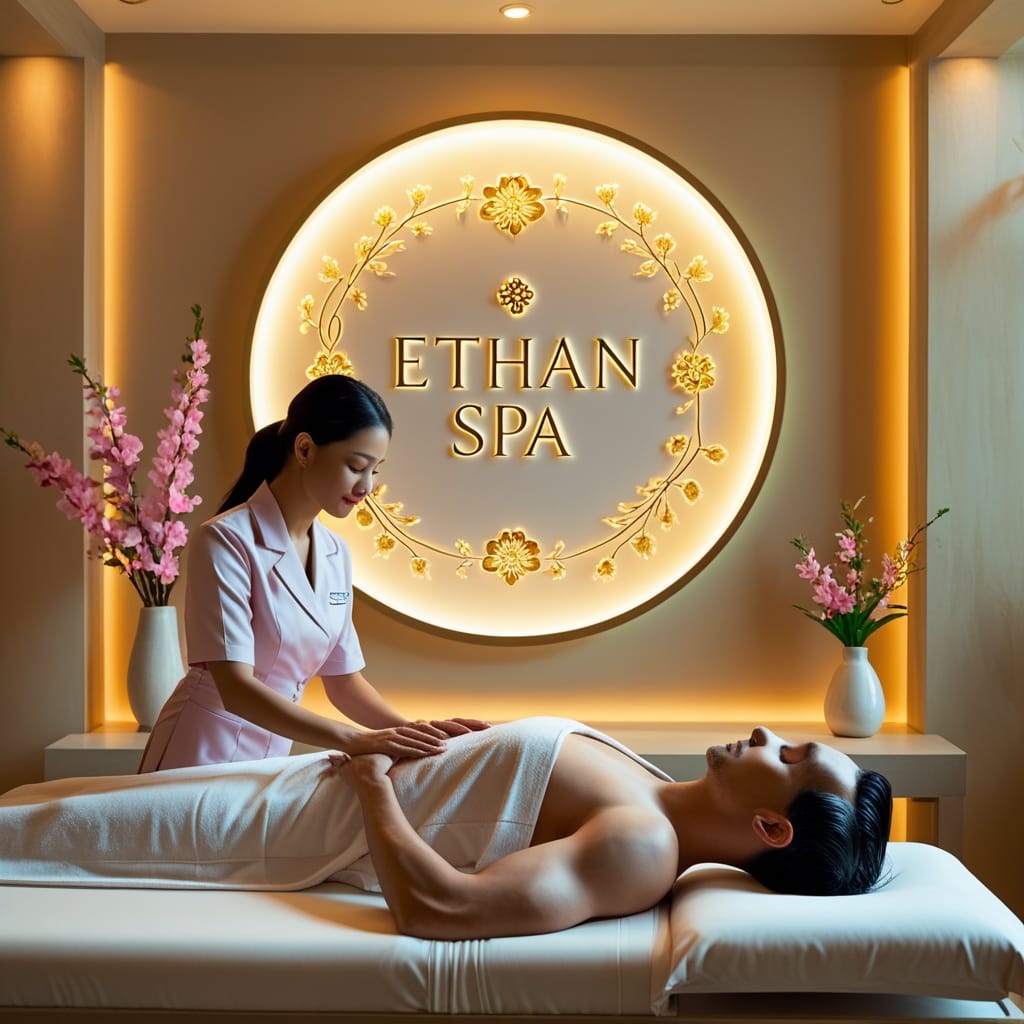

The Connection Between Wellness and Massage Therapy
Introduction to Professional The Therapy
In today’s fast-paced world, finding time for self-care and wellness has become increasingly important. Professional massage therapy offers a proven solution for stress relief, pain management, and overall wellbeing. At Ethan Spa, we specialize in delivering exceptional therapeutic massage experiences that address your unique needs.
Our approach combines ancient healing traditions with modern wellness science. Every treatment is personalized, ensuring you receive the maximum benefit from each session. Whether you are dealing with chronic pain, stress-related tension, or simply seeking relaxation, our certified therapists are here to help.
Located in the heart of Dhaka, Ethan Spa has served thousands of satisfied clients who have experienced the transformative power of professional massage therapy. Our commitment to excellence, combined with our warm and welcoming atmosphere, makes us the preferred choice for wellness seekers throughout Bangladesh.
We believe that wellness is not a luxury but a fundamental aspect of a balanced life. That is why we have created an environment where you can truly unwind, restore your energy, and rediscover the joy of feeling your best. Our state-of-the-art facility, premium products, and skilled therapists work together to deliver results that exceed your expectations.
Comprehensive Health Benefits of Professional Massage Therapy
Research has consistently demonstrated the remarkable health benefits of regular massage therapy. These benefits extend far beyond temporary relaxation, offering lasting improvements to your physical and mental wellbeing.
Physical Health Benefits
Stress Reduction: Massage therapy significantly reduces cortisol levels, the primary stress hormone responsible for anxiety, tension, and various health problems. Studies show cortisol reduction of up to 30% after a single session, with lasting effects when treatments are regular.
Pain Management: Clinical research indicates that massage therapy can reduce chronic pain by 50% or more. Conditions such as lower back pain, fibromyalgia, arthritis, and sports injuries respond exceptionally well to therapeutic massage techniques.
Improved Circulation: The manual manipulation of soft tissues enhances blood flow by up to 200%, delivering oxygen and nutrients to cells while efficiently removing metabolic waste products. This improved circulation supports healing, reduces inflammation, and promotes overall cellular health.
Immune System Enhancement: Regular massage therapy has been shown to increase white blood cell count by 10-15%, strengthening your body’s natural defense mechanisms against illness and infection.
Better Sleep Quality: The relaxation response triggered by massage activates the parasympathetic nervous system, promoting deeper, more restorative sleep. Eighty-five percent of regular recipients report improved sleep patterns within the first week of treatment.
Increased Flexibility: Massage techniques improve joint mobility and range of motion by 25-30%, reducing injury risk and enhancing athletic performance. This is particularly beneficial for athletes, active individuals, and those recovering from injuries.
Mental and Emotional Benefits
Anxiety and Depression Relief: Massage therapy increases serotonin and dopamine levels by 25-30%, natural neurotransmitters that regulate mood and combat depressive symptoms. The therapeutic environment and skilled touch promote emotional balance and resilience.
Cognitive Function Improvement: Reduced stress hormones and enhanced cerebral circulation improve focus, memory, and decision-making capabilities. Clients frequently report clearer thinking and enhanced productivity following regular treatments.
Emotional Wellbeing: The combination of professional touch, relaxing environment, and dedicated personal attention fosters a sense of wellbeing that extends beyond the treatment room.
Our Professional Approach to Massage Therapy
At Ethan Spa, we follow a systematic approach that ensures every client receives optimal care and achieves their wellness goals. Our process begins with a comprehensive consultation and continues through personalized treatment planning and ongoing support.
Initial Consultation and Assessment
Before your first treatment, our experienced therapist conducts a thorough consultation to understand your health history, current concerns, and wellness objectives. This assessment includes:
- Detailed health history review
- Current pain or tension areas identification
- Medical conditions and contraindications evaluation
- Lifestyle factors assessment
- Wellness goal establishment
- Treatment plan customization
This comprehensive assessment ensures that your treatment is perfectly tailored to your individual needs, maximizing therapeutic benefits while ensuring complete safety and comfort.
Professional Treatment Techniques
Our certified therapists are trained in multiple massage modalities, allowing us to select the most appropriate techniques for your specific condition. Each session incorporates:
- Therapeutic compression techniques for deep tissue work
- Gentle stretching movements to improve flexibility
- Rhythmic rocking motions for nervous system calming
- Acupressure application for energy flow restoration
- Myofascial release for connective tissue freedom
- Aromatherapy enhancement for additional relaxation
The combination of these techniques addresses both immediate symptoms and underlying causes, providing comprehensive relief and lasting wellness improvements.
Why Ethan Spa is Dhaka’s Premier Wellness Destination
With numerous wellness centers operating in Dhaka, what makes Ethan Spa the preferred choice for discerning clients? Our commitment to excellence spans every aspect of your experience, from the moment you book your appointment to your departure.
Exceptional Therapist Qualifications
Every therapist at Ethan Spa meets rigorous qualification standards that ensure the highest level of care and professionalism:
- Minimum five years of hands-on clinical experience
- Internationally recognized certification in massage therapy
- Completion of 500+ hours of specialized training programs
- Regular participation in continuing education workshops
- Membership in professional massage therapy associations
- Annual clinical performance evaluations
- Clean professional background and reference checks
Our investment in therapist development ensures that you receive care from highly skilled professionals who are committed to staying current with the latest techniques and research findings.
Premium Facility Standards
Our facility represents the pinnacle of spa design and functionality, creating an environment conducive to healing and relaxation:
- Eight individually climate-controlled treatment rooms
- Premium organic massage oils sourced from sustainable suppliers
- Heated marble treatment tables with memory foam padding
- Advanced soundproofing for undisturbed relaxation
- Ambient lighting systems with circadian rhythm alignment
- Professional aromatherapy diffusion with customizable scents
- Complimentary herbal tea service and refreshment area
- State-of-the-art sanitation and sterilization protocols
Every detail has been carefully considered to create an atmosphere of luxury, comfort, and therapeutic excellence.
Your Complete Treatment Experience at Ethan Spa
From the moment you arrive at Ethan Spa to your departure, every detail is carefully orchestrated to deliver an exceptional therapeutic experience. We believe that the journey is as important as the destination, which is why we have refined every touchpoint to ensure your complete satisfaction.
Phase 1: Arrival and Welcome (15 minutes)
Your wellness journey begins with a warm welcome in our serene reception area. You will be offered refreshing herbal tea and shown to a comfortable seating area where you can relax before your treatment. Our front desk staff will complete any remaining paperwork and confirm your appointment details.
During this initial phase, we discuss your schedule preferences, any last-minute concerns, and provide information about our facilities. We want you to feel completely at ease and informed before proceeding to your treatment.
Phase 2: Pre-Treatment Consultation (10 minutes)
Your therapist will greet you personally and conduct a brief consultation to review your health questionnaire, discuss any changes since your last visit, and confirm your treatment preferences. This personal interaction establishes rapport and ensures that your therapist understands your current needs and expectations.
You will be shown to your private treatment room, where warm towels, premium aromatherapy oils, and fresh linens are prepared. Your therapist will explain the treatment process and answer any questions before you begin.
Phase 3: The Therapeutic Treatment (45-60 minutes)
Your treatment unfolds in carefully designed phases, each serving a specific purpose in achieving your wellness objectives:
Preparation Phase (5 minutes): You will be positioned comfortably on the heated treatment table. Our therapist ensures proper draping and positioning, leaving only the area being worked on exposed at any given time. Warm towels are applied to promote muscle relaxation.
Warm-up Phase (10 minutes): Gentle, flowing strokes begin the treatment, increasing superficial blood circulation and preparing the tissues for deeper work. This phase establishes the therapeutic rhythm and allows your body to adjust to the treatment.
Deep Treatment Phase (30-40 minutes): The core therapeutic work begins, utilizing specific techniques tailored to your needs. Your therapist employs a combination of compression, stretching, and myofascial release techniques to address tension patterns and promote healing.
Integration Phase (5-10 minutes): The treatment concludes with gentle, soothing strokes that help integrate the therapeutic work and guide your body into a state of deep equilibrium and relaxation.
Phase 4: Post-Treatment Guidance (10 minutes)
After your treatment, you will be given time to rest and gradually return to an upright position. Your therapist will provide personalized aftercare instructions, including hydration recommendations, gentle stretching exercises, and guidance on maintaining the therapeutic benefits between sessions.
You may be invited to enjoy a cup of herbal tea in our relaxation lounge before departing. This period allows you to fully integrate the treatment benefits and prepares you to return to your daily activities with renewed energy and vitality.
Convenient Location and Easy Accessibility
Ethan Spa is strategically located in the heart of Dhaka, making us easily accessible from all major areas of the city. Our central location ensures that you can reach us conveniently without disrupting your daily schedule.
Address and Landmarks
Our facility is located at Kemal Ataturk Avenue, a prestigious address in one of Dhaka’s most accessible commercial districts. We are near several prominent landmarks that make navigation simple:
- Shantiniketan Park (5-minute walk)
- Dhaka University (10-minute drive)
- Gulshan Circle 1 (8-minute drive)
- Bashundhara City Mall (12-minute drive)
- North South University area (15-minute drive)
Transportation Options
{location} offers excellent connectivity with multiple transportation options:
- Major bus routes serve the area throughout the day
- Ride-hailing services (Pathao, Uber, Shohoz) available 24/7
- Easy highway access via Outer Ring Road
- Ample street parking available for private vehicles
- Close proximity to metro rail stations (when operational)
Operating Hours
We operate seven days a week to accommodate your schedule:
- Monday through Friday: 10:00 AM to 10:00 PM
- Saturday and Sunday: 11:00 AM to 9:00 PM
- Extended hours available by special appointment
- Public holidays: Open with limited hours
We recommend booking appointments in advance, especially for weekend slots and evening hours, to secure your preferred time.
Transparent Pricing and Wellness Packages
At Ethan Spa, we believe in transparent pricing that reflects the exceptional quality of our services. Our competitive rates ensure that professional massage therapy remains accessible to everyone seeking wellness and relaxation.
Individual Session Pricing
| Session Duration | Price (BDT) | Best For |
|---|---|---|
| 60 Minutes | 3,500 | Quick stress relief, maintenance therapy |
| 90 Minutes | 5,000 | Standard therapeutic treatment, most popular |
| 120 Minutes | 7,000 | Deep tissue work, comprehensive relaxation |
| 150 Minutes VIP | 9,500 | Full wellness experience with extended treatment |
Wellness Packages
For clients committed to ongoing wellness, we offer discounted packages that provide exceptional value:
- Monthly Membership: 4 sessions per month at 15% discount
- Quarterly Package: 12 sessions at 20% discount
- Annual Membership: 48 sessions at 25% discount plus priority booking
- Couples Package: Side-by-side treatment at special rate
- Corporate Wellness: Bulk pricing for employee wellness programs
All prices include our complimentary herbal tea service and post-treatment consultation. No hidden fees or additional charges apply.
Frequently Asked Questions About Massage Therapy
We understand that beginning a massage therapy journey raises many questions. Here are answers to the most common inquiries we receive from new and existing clients.
What should I wear to my massage session?
Wear comfortable, loose-fitting clothing to your appointment. During the treatment, we provide disposable underwear and therapeutic draping sheets to ensure your privacy and comfort. You will remain draped throughout the entire session, with only the area being worked on exposed at any given time. Many clients prefer to change into provided gowns, which we offer upon request.
Is massage therapy painful?
Good therapeutic massage should never cause pain. While you may experience some discomfort during deep tissue work, particularly in areas of chronic tension, our therapists continuously monitor your comfort level and adjust pressure accordingly. Communication is essential—please inform your therapist immediately if pressure feels too intense. The therapeutic discomfort of breaking up adhesions should never cross into painful territory.
How often should I receive massage therapy?
For optimal wellness benefits, we recommend weekly or bi-weekly sessions, especially when addressing specific health concerns. Once your condition improves, monthly maintenance sessions are often sufficient. Those managing chronic conditions may benefit from more frequent visits initially, transitioning to maintenance schedules as symptoms improve. Consistency is key to achieving lasting results.
Can massage therapy help with specific medical conditions?
Massage therapy has been shown to help with numerous conditions including chronic back pain, fibromyalgia, sports injuries, stress-related disorders, anxiety, insomnia, and post-surgical recovery. However, certain conditions require medical clearance or modified techniques. Always inform your therapist about any medical conditions, medications, or recent surgeries before your treatment.
What is your cancellation policy?
We understand that schedules change. Please provide at least 24 hours’ notice for cancellations or rescheduling to avoid fees. This allows us to offer the appointment slot to other clients who may benefit from it. Late cancellations or no-shows may incur a 50% charge of the session price.
Do you offer gift certificates?
Yes! Ethan Spa offers beautiful gift certificates valid for any of our massage services. These make perfect gifts for birthdays, anniversaries, holidays, or any occasion celebrating wellness and self-care. Gift certificates are available in any denomination and never expire.
Are your products safe and organic?
Absolutely. We use only premium organic massage oils and lotions sourced from reputable suppliers. All products are cruelty-free, hypoallergenic, and suitable for sensitive skin. We also offer aromatherapy options using essential oils from trusted brands.
Begin Your Wellness Journey Today
Your journey toward optimal wellness begins with a single decision—to prioritize your health and wellbeing. At Ethan Spa, we are committed to supporting you every step of the way, providing the expertise, environment, and care you deserve.
Whether you are seeking relief from chronic pain, stress reduction, improved sleep, or simply a moment of tranquility in your busy schedule, our team is ready to create a personalized treatment plan that addresses your unique needs and goals.
We invite you to experience the Ethan Spa difference—a difference that thousands of satisfied clients have already discovered. Book your appointment today and take the first step toward a healthier, happier you.
Contact Information:
📞 Phone: +880 1854 655561
💬 WhatsApp: +880 1854 655561
📧 Email: [email protected]
📍 Address: Kemal Ataturk Avenue, Dhaka 1213, Bangladesh
Walk-ins are welcome, but we recommend booking appointments in advance, especially for weekend slots and evening hours. Your wellness journey awaits—contact us today to schedule your first therapeutic massage session.
Expert Tips for Maximizing Your Massage Experience
To get the most benefit from your {massage} massage session, consider these expert recommendations from our certified therapists:
Pre-Treatment Preparation
- Hydrate properly: Drink plenty of water for 24 hours before your appointment to help your muscles respond better to treatment.
- Avoid heavy meals: Eat a light meal 2-3 hours before your session to prevent discomfort during treatment.
- Communicate openly: Share your health history, preferences, and any concerns with your therapist before starting.
- Dress comfortably: Wear loose, comfortable clothing to and from your appointment.
- Arrive early: Plan to arrive 15 minutes early to complete paperwork and relax before your treatment.
Post-Treatment Care
Maximize the benefits of your massage with these aftercare recommendations:
- Stay hydrated: Drink 2-3 glasses of water immediately after your session to help flush toxins released during treatment.
- Rest appropriately: Allow yourself 30-60 minutes of quiet relaxation after your massage before resuming activities.
- Avoid strenuous activity: Skip intense exercise for 24 hours to allow your body to integrate the therapeutic benefits.
- Apply heat or ice: Use warm compresses for muscle tension or ice packs for any soreness, as recommended by your therapist.
- Practice self-care: Continue gentle stretching and mindfulness practices between sessions to maintain results.
Building a Wellness Routine
Consistent massage therapy delivers cumulative benefits. Here’s how to establish a sustainable wellness routine:
- Schedule regular appointments at consistent intervals (weekly or bi-weekly)
- Track your progress and note improvements in sleep, energy, and pain levels
- Combine massage with other wellness practices like yoga, meditation, or swimming
- Adjust your treatment plan based on seasonal changes and life stressors
- Communicate with your therapist about any changes in your health or goals

Related Posts

Author: Ethan Spa
Ethan Spa is a Luxury Wellness Brand in Dhaka