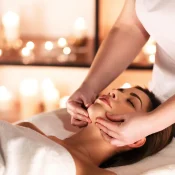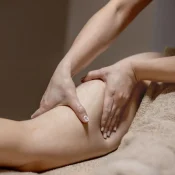

If you have ever stood at a spa reception scrolling through a treatment menu, you have probably paused at the same two words: dry massage or oil massage. It is one of the most common questions clients ask before booking a session, and for good reason — the two techniques feel completely different, target different problems, and leave you with a different kind of relief. The Dry Massage vs Oil Massage debate is not about one being universally superior to the other; it is about matching the right method to your body, your schedule, and what you actually need that day.
At Ethan Spa on Kemal Ataturk Avenue in Dhaka 1213, we get asked this almost every single day, from office workers rushing in on a lunch break to couples booking a weekend wind-down session. This guide explains precisely how dry massage and oil massage contrast, what each one truly excels at, and how to determine which is the right choice — whether you are dealing with tight shoulders after a twelve-hour workday, chronic muscle knots, or you simply want an hour of pure relaxation.
What Is Dry Massage?
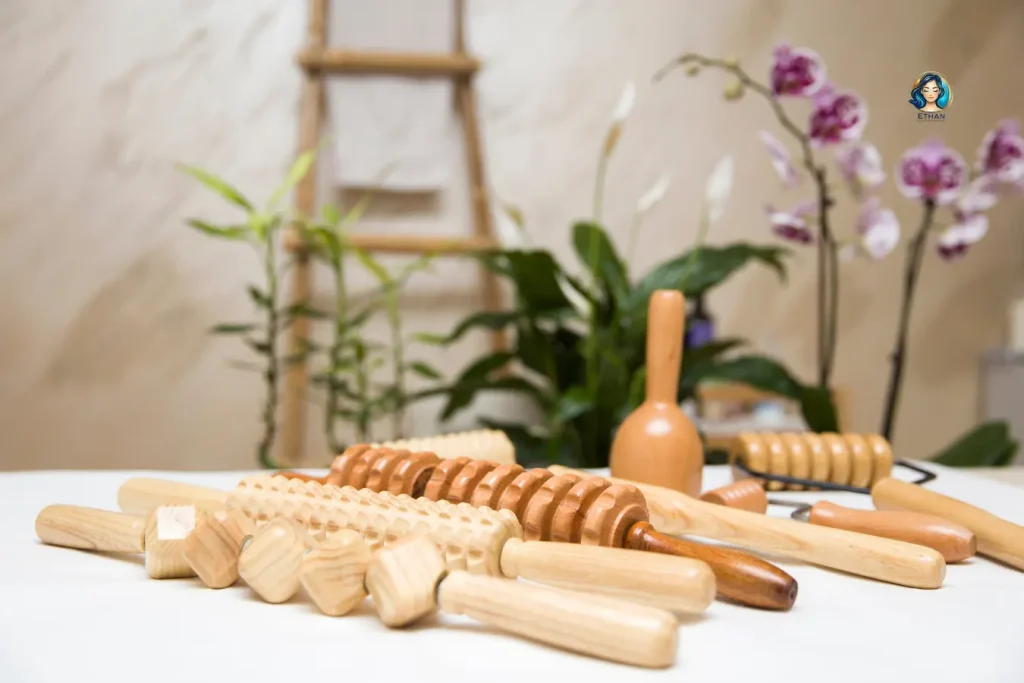
Dry massage is exactly what it sounds like — a full body massage performed without oils, lotions, or any lubricant on the skin. Instead of gliding strokes, therapists rely on firmer, more direct pressure techniques: kneading, compression, stretching, and rhythmic tapping, often applied through light clothing or a thin cloth. Because there is no slip from oil, the therapist’s hands (and sometimes forearms or elbows) can reach deeper into muscle tissue with more control.
This style borrows heavily from techniques you will recognize in Thai massage and shiatsu, both of which are built around pressure points, joint mobilization, and assisted stretching rather than surface-level relaxation. A full body dry massage session typically moves methodically from the feet and legs up through the back, shoulders, neck, and arms, with the therapist pausing longer on areas that feel tense or knotted.
If you have ever left a massage feeling like your muscles were genuinely “worked on” rather than just soothed, there is a good chance it was some form of dry massage.
One thing that surprises first-time clients is how much variation exists within “dry massage” as a category. Some sessions lean heavily into slow, sustained pressure held over a tense spot until it releases, similar to trigger-point therapy. Others move at a brisker pace, using rhythmic compression along the length of a muscle group, closer to what you would experience in a Thai-style session. A skilled therapist will usually read your body’s response in the first few minutes and adjust accordingly, rather than applying the exact same routine to every client regardless of build, fitness level, or existing tightness.
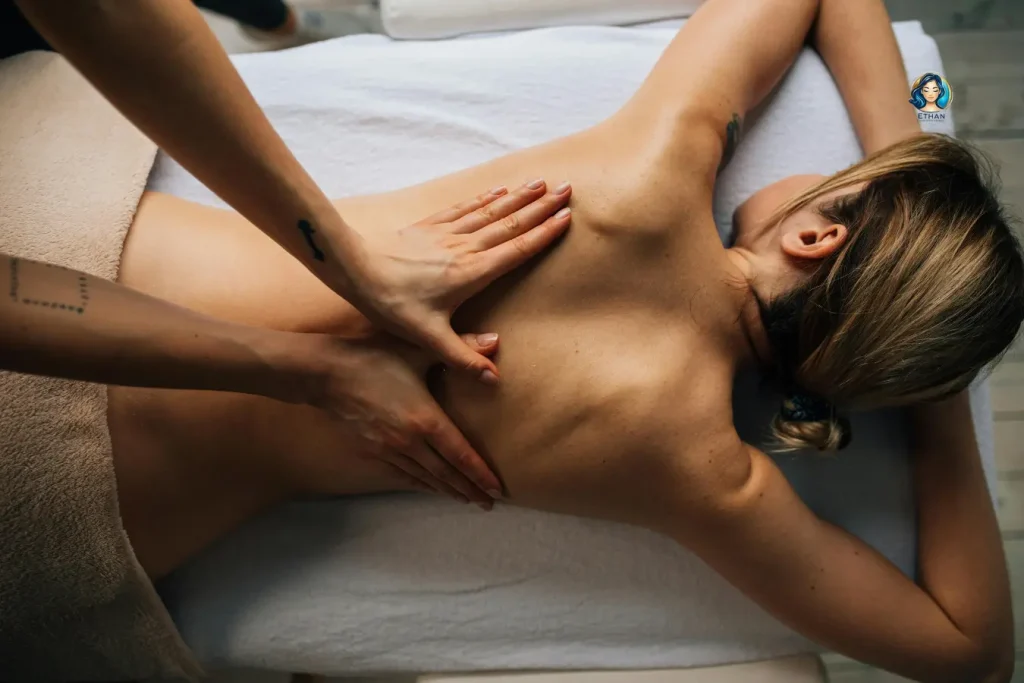
What Is Oil Massage?
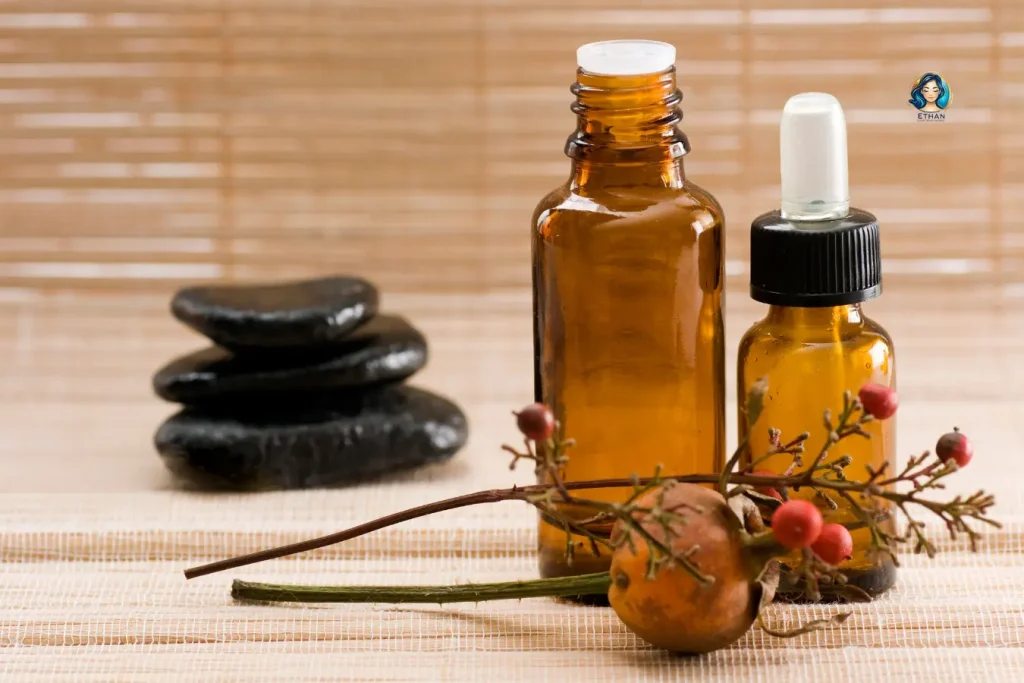
Oil massage, on the other hand, is built around long, flowing strokes made possible by a generous application of massage oil — sometimes plain carrier oil, sometimes infused with essential oils for an aromatherapy massage. The oil reduces friction, letting the therapist’s hands glide smoothly across the skin in continuous, sweeping motions rather than the shorter, more localized movements used in dry techniques.
This is the massage style most people picture when they think of a classic spa treatment. It draws from Swedish massage traditions and is designed primarily to calm the nervous system, improve circulation, and leave the skin feeling nourished. The warmth of the oil against the skin, combined with slow, even pressure, tends to lower stress hormones quickly, which is why an oil massage is often the go-to choose for people who simply want to unwind.
Many spas, including ours, also offer an aromatherapy massage variation, where essential oils such as lavender, eucalyptus, or sandalwood are blended into the base oil to add a sensory, mood-lifting layer to the treatment.
The choice of oil actually matters more than most people realize. Lighter oils, such as almond or grapeseed, absorb quickly and suit clients who want a cleaner finish, while richer oils, such as coconut or sesame, stay slicker for longer and are often preferred for longer sessions where the therapist needs sustained glide. Temperature plays a role too — most professional spas warm the oil slightly before application, since cold oil on bare skin can cause the muscles to tense up instead of relax, working against the entire point of the treatment.
Dry Massage vs Oil Massage: Key Differences
On paper, both treatments last around the same amount of time and both involve a trained therapist working across your entire body. But the experience, sensation, and outcome are quite different. Here is a side-by-side comparison to make the distinction clearer.
| Factor | Dry Massage | Oil Massage |
| Lubricant used | None (light clothing or cloth) | Massage oil, sometimes aromatherapy blends |
| Pressure level | Firm to deep | Light to medium, adjustable |
| Primary technique | Compression, stretching, acupressure | Long gliding strokes, kneading |
| Best for | Muscle tension, stiffness, knots | Relaxation, stress relief, skin nourishment |
| Skin contact | Minimal direct skin contact | Direct skin contact with oil |
| Post-massage feel | Loosened, mobile, occasionally sore | Calm, soft skin, sleepy relaxation |
| Clothing | Usually kept on (light attire) | Removed, draped with towels |
| Typical session length | 45–90 minutes | 45–90 minutes |
Benefits of Dry Massage
The appeal of dry massage benefits goes well beyond simply “no oil to wash off later.” Because the technique uses more direct pressure, it tends to produce results that are easier to feel immediately, especially if you carry tension in specific areas.
- Targets deep muscle tension: The firmer pressure reaches layers of muscle that a lighter, oil-based touch often cannot access, making it effective for chronic tightness in the shoulders, lower back, and hips.
- Improves flexibility and joint mobility: Many dry massage techniques include assisted stretching, which can genuinely improve your range of motion over repeated sessions.
- No oily residue: You can go straight back to work, meet a client, or head out for the evening without needing a shower first.
- Ideal for people with oily skin or allergies: If certain oils irritate your skin or you simply dislike the greasy feeling, dry massage sidesteps that issue entirely.
- Works well through light clothing: Some clients feel more comfortable keeping clothing on, which dry massage accommodates naturally.
- Often more effective for tension headaches: Pressure-point work around the neck, shoulders, and scalp can ease tension that contributes to headaches.
Benefits of Oil Massage
Oil massage advantages tend more toward the nervous system and skin than deep muscle mechanics, though it still aids circulation and gentle muscular ease. It is the therapy most people connect with genuine relaxation.
- Deep relaxation and stress relief: Slow, rhythmic strokes activate the parasympathetic nervous system, which is the body’s natural ‘rest and digest’ state.
- Improves blood circulation: The gliding motion, combined with warm oil, encourages better blood flow to the surface tissues and extremities.
- Nourishes and hydrates the skin: Depending on the oil used, your skin can leave the session noticeably softer and more supple.
- Aromatherapy benefits: When essential oils are added, the scent itself contributes to mood improvement, better sleep, and reduced anxiety.
- Gentler on sensitive bodies: Because pressure is generally lighter and adjustable, oil massage tends to suit people who are new to massage, pregnant (with a qualified therapist and appropriate technique), or recovering from illness.
- Supports better sleep: The calming effect often extends well past the session itself, with many clients reporting deeper sleep the same night.
Dry Massage for Muscle Pain: What You Should Know
If your main complaint is muscle pain rather than general stress, dry massage is usually the more direct route to relief. Muscle pain often stems from knots — small areas where fibers have contracted and stayed that way, usually from repetitive movement, poor posture, or sitting at a desk for extended periods. Because dry massage allows a therapist to apply sustained, targeted pressure without oil reducing the grip, it becomes easier to locate and work through these knots methodically.
A typical session for muscle pain will start slower, allowing your muscles to warm up, before the therapist increases pressure in problem areas. It is common to feel a bit of discomfort during the process, sometimes described as “good pain,” followed by noticeable looseness once the session ends. Some soreness the next day is normal, similar to how muscles feel after a workout, and usually fades within 24 to 48 hours.
For people dealing with recurring issues, such as tightness from long hours at a laptop or standing all day at work, a series of dry massage sessions spaced a week or two apart tends to produce more lasting results than a single visit.
Oil Massage for Relaxation: What You Should Know
If stress, poor sleep, or simply feeling “wound up” is your main concern, oil massage for relaxation is generally the better match. The goal here is not to break up tension mechanically but to signal to your nervous system that it is safe to slow down. Long strokes, consistent rhythm, and warm oil all work together to bring your heart rate down and quiet mental chatter.
Many clients describe reaching a state close to sleep partway through the session, which is a sign the treatment is doing exactly what it is designed to do. Unlike dry massage, you should walk out feeling loose and calm rather than worked on, with minimal to no soreness afterward.
This makes oil massage particularly suitable before an important event, after a stressful week, or simply as a regular self-care habit rather than a corrective treatment.
Dry Massage vs Oil Massage for Tension Relief
It is a common misconception that only oil massage can relieve stress. In practice, both methods relieve tension, simply through different pathways. Oil massage relaxes the nervous system directly through slow, rhythmic touch, while dry massage relieves stress indirectly by releasing physical tension that often accompanies mental stress — tight shoulders, a clenched jaw, or a stiff neck.
If your stress shows up mostly as racing thoughts and difficulty winding down, oil massage will likely feel more effective. If your stress shows up mostly as physical tightness and knots you can literally feel with your fingers, dry massage may bring faster relief. Some clients find a combination approach works best — starting with dry techniques to release tension, then transitioning to lighter oil strokes to finish the session calmly.
Which One Should You Choose?
There is no single correct answer to the Dry Massage , Oil Massage question because the “right” choice depends entirely on what your body needs at that moment. Use the guide below as a quick reference.
- Choose dry massage if: you have specific areas of muscle tightness, you deal with regular back or shoulder pain, you prefer not to have oil on your skin, or you want a firmer, more therapeutic session.
- Choose oil massage if: your main goal is relaxation, you are new to massage and want a gentler introduction, you enjoy aromatherapy scents, or you simply want to unwind without much pressure.
- Choose a combination session if: you want both — physical tension release followed by a calming finish. Many spas, including Ethan Spa, can tailor a session that blends both techniques on request.
Full Body Dry Massage vs Full Body Oil Massage: What to Expect
Booking your first session at any spa in Dhaka is easier when you know what actually happens once you walk through the door. A full body dry massage generally begins with the therapist checking in about any problem areas, followed by work starting at the feet and moving upward, or sometimes starting at the back depending on the spa’s routine. Clothing typically stays on, often light, breathable attire provided by the spa. Sessions usually run between 45 and 90 minutes, with 60 minutes being the most common booking.
A full body oil massage follows a similar overall structure but with a very different feel. You will be draped with towels for privacy, with only the area being worked on exposed at any given time. Oil is warmed slightly before application in most professional settings, and strokes move in long, connected sequences rather than isolated spots. Rooms are typically kept warmer and dimmer for oil sessions, with soft music and lower lighting to support the relaxation goal.
Both formats end with a few minutes of quiet time before you get up, which helps your body transition gradually rather than jumping straight from a relaxed state back into daily activity.
Dry Massage and Oil Massage in Dhaka: Local Context
Dhaka’s pace of life makes both dry massage and oil massage genuinely useful, just for different segments of the day. Professionals working in business districts often deal with hours of sitting, long commutes through traffic, and screen-heavy schedules — all of which contribute to the kind of muscular tightness that dry massage addresses well. Meanwhile, the general noise, heat, and pace of a busy city make oil massage for relaxation equally valuable, particularly heading into the weekend.
At Ethan Spa, located on Kemal Ataturk Avenue, Dhaka 1213, we regularly see clients from nearby areas such as Gulshan, Banani, and Uttara booking both dry massage and oil massage sessions, often alternating between the two depending on their week. Someone who spent the week in back-to-back meetings might book a dry massage in Dhaka to loosen up physically, while the same client might choose an oil massage the following week purely to decompress before a family event.
If you are searching for the best massage in Dhaka, it is worth thinking about which category your current need actually falls into — physical tension or mental stress — rather than defaulting to whichever treatment is more popular. A good spa should be able to guide you toward the right option after a short conversation about how you have been feeling.
Seasonal factors play a role too. During Dhaka’s hotter, more humid months, many clients gravitate toward lighter oil massage sessions that feel less intense against already-warm skin, while cooler months tend to see more bookings for firmer dry massage sessions, since the body often holds more tension when temperatures drop. Neither preference is fixed, of course, but it is a pattern worth knowing if you are trying to decide between the two on a given visit.
Can You Combine Dry Massage and Oil Massage?
Yes, and it occurs more often than most new clients would anticipate. A combination session usually opens with dry techniques focused on problem areas — shoulders, upper back, calves — to release built-up tension, then shifts into oil-based strokes for the remainder of the session to bring the body back down into a relaxed state. This approach works particularly well for people who want therapeutic results without leaving the spa feeling wound up from firmer pressure work.
If you are unsure which treatment suits you, mentioning your goals to the therapist before the session starts — whether that is “I have a stiff neck” or “I just want to switch off for an hour” — will help them adjust technique, pressure, and pacing accordingly, regardless of which base treatment you booked.
Common Misconceptions About Dry and Oil Massage
A few myths tend to circulate around both treatments, and clearing them up can help you make a better decision.
- “Dry massage always hurts.” Firm does not mean painful. A skilled therapist adjusts pressure to your tolerance, and discomfort should stay within a manageable range, never sharp or unbearable.
- “Oil massage does nothing for muscle pain.” While it is gentler, oil massage still improves circulation and can ease mild tension, particularly when combined with kneading strokes.
- “More oil means a better massage.” Excess oil actually reduces a therapist’s control and can make strokes feel sloppy rather than precise. Professional therapists use just enough for smooth, controlled movement.
- “Dry massage is only for athletes.” While athletes do benefit, office workers, parents, and anyone dealing with everyday tension get equal value from it.
Expert Tips Before Booking Your Massage
A few small decisions before your appointment can noticeably improve the outcome, regardless of which treatment you choose.
- Communicate clearly: Tell your therapist about any specific pain, recent injuries, or areas to avoid before the session begins, not partway through.
- Time it right: Avoid booking a heavy meal right before a session, especially for oil massage, since deep relaxation and a full stomach do not mix well.
- Stay hydrated: Drinking water after a massage, particularly a deep tissue-style dry massage, helps flush out released tension and reduces next-day soreness.
- Choose based on your week, not habit: If you always book oil massage out of routine, consider whether a dry massage session might actually address what your body needs that particular week, or vice versa.
- Ask about aromatherapy add-ons: If you are booking an oil massage primarily for stress relief, ask whether an aromatherapy blend is available to enhance the calming effect.
How to Prepare for Your Massage Session
A little preparation goes a long way toward getting the most out of either treatment. Arriving fifteen minutes early rather than rushing straight from traffic gives your body a chance to settle before the therapist even begins, and most clients notice they relax faster once the session starts if they were not still catching their breath from the commute.
For a dry massage, loose, comfortable clothing works best since you will likely remain dressed throughout. Avoid heavy jewelry or anything restrictive around the neck and wrists, as these areas are often worked on directly. For an oil massage, it helps to know that you will be undressed to your comfort level and draped with towels, so wearing something simple to change out of makes the transition smoother.
Regardless of which treatment you book, avoid scheduling anything physically demanding immediately afterward. Dry massage, in particular, can leave muscles feeling slightly fatigued in the same way a light workout would, and giving your body an hour or two to settle afterward tends to extend the benefits of the session rather than undoing them by jumping straight into another activity.
Final Thoughts: Dry Massage vs Oil Massage
When it comes down to Dry Massage vs Oil Massage, the better option is simply the one that matches what your body is asking for right now. Dry massage brings targeted, therapeutic pressure that works well for muscle pain, stiffness, and tension built up from daily routines. Oil massage brings a slower, calming experience geared toward stress relief, better sleep, and nourished skin. Neither one is objectively superior; they are simply built for different goals.
The best approach is to check in with yourself honestly before booking. Are your shoulders physically tight, or is your mind just overloaded? That answer alone will usually point you toward the right treatment. And if you are still not sure, a good therapist at a spa in Dhaka can help you decide, or suggest a combination session that gives you both.
Whether you choose a full body dry massage, a full body oil massage, or an aromatherapy massage blending both worlds, the goal remains the same: leaving in better shape than you arrived. At Ethan Spa on Kemal Ataturk Avenue, Dhaka 1213, our therapists are happy to walk you through both options and recommend the right fit based on how your week has actually gone.
Frequently Asked Questions
Is dry massage or oil massage better for back pain?
Dry massage is generally more effective for back pain because the firmer pressure and compression techniques can reach deeper into tight muscles. Oil massage can still help with mild tension but tends to work better as ongoing maintenance rather than targeted relief.
Does dry massage hurt more than oil massage?
Dry massage typically involves firmer pressure, which can feel more intense, especially in tight areas, but it should never be sharply painful. Oil massage uses lighter, gliding pressure and generally feels gentler throughout.
Can I request lighter pressure during a dry massage?
Yes. Pressure in a dry massage is adjustable, and you should always tell your therapist if it feels too intense. A good session is firm but never unbearable.
Which massage is better for stress relief, dry or oil?
Oil massage is usually more effective for pure mental stress relief because the slow, rhythmic strokes calm the nervous system directly. Dry massage helps more when stress is showing up as physical tension.
Do I need to remove my clothes for a dry massage?
No. Dry massage is typically performed with light, breathable clothing on, which many clients find more comfortable compared to oil-based treatments.
Is oil massage messy or does it leave residue on skin?
A professional oil massage uses just enough oil for smooth strokes, and most of it absorbs into the skin during the session. A light residue may remain, which is easily washed off or simply left to hydrate the skin.
Can dry massage improve flexibility?
Yes. Many dry massage techniques include assisted stretching and joint mobilization, which can gradually improve flexibility and range of motion with regular sessions.
Is oil massage safe for sensitive or allergy-prone skin?
It depends on the oil used. Let your therapist know about any allergies beforehand so they can select a suitable, hypoallergenic oil, or consider a dry massage instead if you prefer to avoid oils entirely.
How often should I get a dry massage for muscle tension?
For ongoing muscle tension, a session every one to two weeks tends to produce noticeably better and longer-lasting results than occasional, spaced-out visits.
Can I combine dry massage and oil massage in one session?
Yes, many spas offer combination sessions that start with dry techniques to release tension and finish with oil-based strokes for relaxation. Ask your spa if this option is available.
Which massage is recommended for first-time spa visitors?
Oil massage is often recommended for first-time visitors since the pressure is gentler and more adjustable, making it a comfortable introduction to professional massage therapy.
Does aromatherapy massage use dry or oil techniques?
Aromatherapy massage is a variation of oil massage, using essential oil blends mixed into a carrier oil to add scent-based relaxation benefits alongside the physical technique.
How long does a full body massage session usually take?
Most full body dry massage or oil massage sessions run between 45 and 90 minutes, with 60 minutes being the most commonly booked duration.
Is it normal to feel sore after a dry massage?
Mild soreness for 24 to 48 hours after a dry massage is common, similar to post-workout soreness, and usually indicates that tight muscle tissue was worked on. Staying hydrated afterward can help reduce this.
Where can I book a dry massage or oil massage in Dhaka?
Ethan Spa, located on Kemal Ataturk Avenue, Dhaka 1213, offers both dry massage and oil massage sessions, along with aromatherapy and combination options tailored to your specific needs.