
A full body massage is one of those treatments that sounds simple on the surface — lie down, relax, let a therapist work through the tension — but there’s actually a lot more going on beneath that description. From the techniques used to the order in which different muscle groups are addressed, a properly performed full body massage is a carefully structured therapy, not just an hour of generic rubbing.
If you’ve never booked one before, or you’ve had a few sessions but still aren’t sure what separates a good full body massage from a forgettable one, this guide walks through everything you need to know about full body massage: what it actually involves, the real benefits behind the relaxation, what a session looks like from start to finish, and how to choose a professional provider that will genuinely deliver results rather than just a pleasant hour.
Whether you’re an office worker whose shoulders live somewhere near your ears, a traveler trying to recover from a long flight, or simply someone who wants to build a consistent self-care routine, understanding how this treatment works will help you get far more value out of every session you book.
What Is a Full Body Massage?
A full body massage is a comprehensive treatment designed to address the entire body — back, shoulders, arms, legs, feet, neck, and scalp — rather than focusing on a single problem area. Unlike a targeted massage that might spend an entire session on just the lower back or neck, a full body session moves systematically across the whole body, which is exactly why it’s such a popular choice for general stress relief, physical recovery, and overall wellness maintenance.
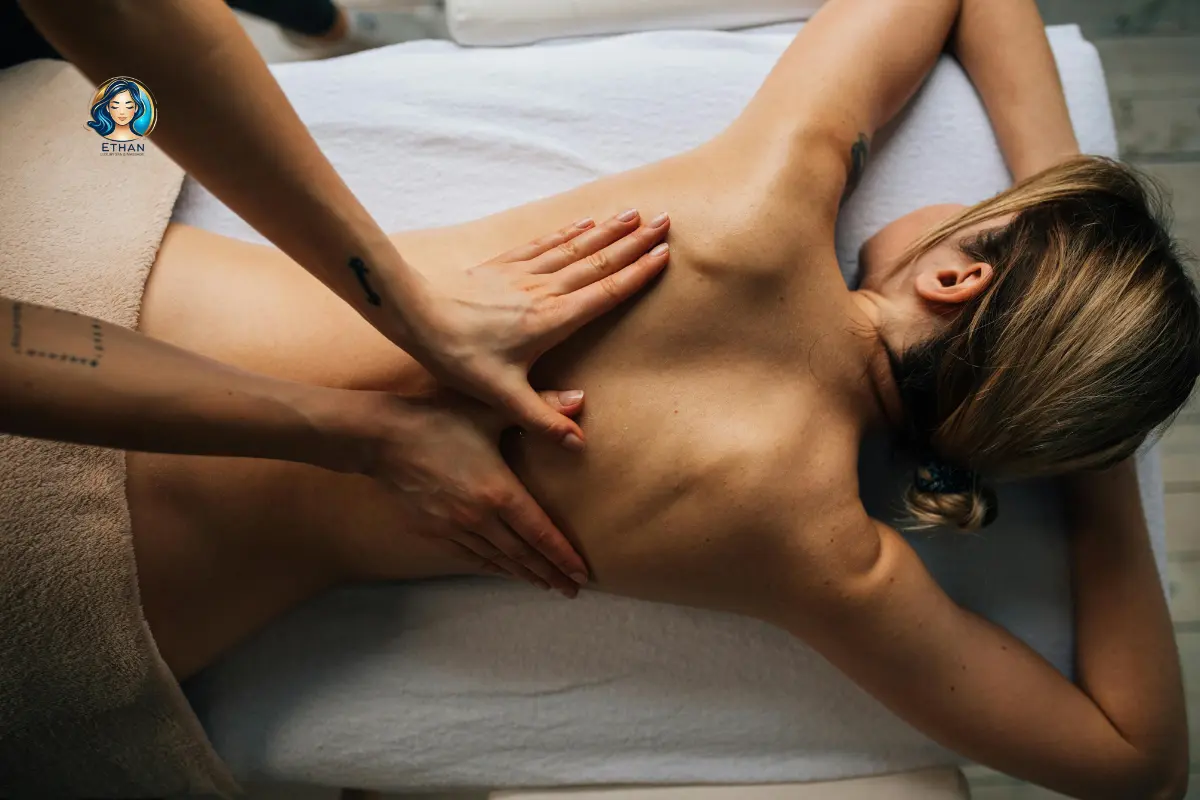
Most full body massage sessions combine several techniques rather than relying on one single style. A therapist might use long gliding strokes across the back, firmer kneading through the shoulders and thighs, and lighter, more precise pressure on smaller areas like the hands and feet. The session is typically performed with oil to reduce friction and allow smoother, more continuous movement, though dry versions using talc or simple hand pressure are also available depending on client preference.
What makes a full body massage particularly effective is this comprehensive approach. Tension rarely stays isolated in one spot — tight shoulders often connect to a stiff neck, which connects to tension headaches, which connects to poor sleep. Working the entire body in one session addresses these connected patterns rather than treating a single symptom in isolation.
How Does a Full Body Massage Work?
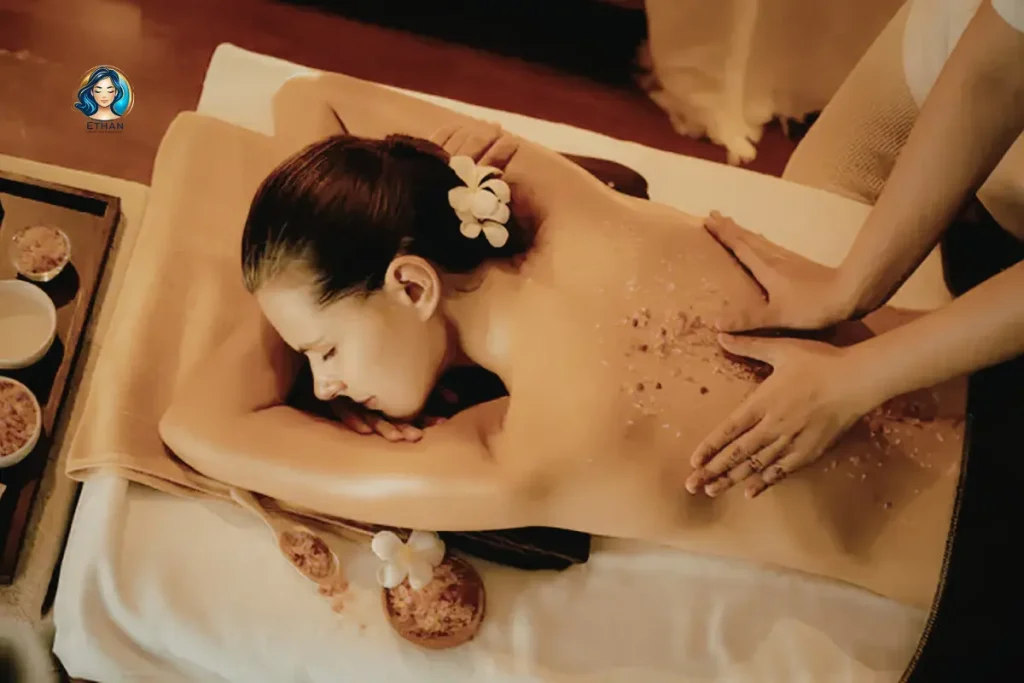
A typical full body massage follows a logical sequence, starting with larger muscle groups and moving toward smaller, more detailed areas. Most therapists begin with the back, since it’s the largest surface area and often holds the most accumulated tension from posture and daily activity. From there, the session usually moves to the shoulders and neck, then down through the arms and hands, before shifting to the legs, feet, and finally the scalp or head if included in the package.
Throughout the session, the therapist alternates between different techniques based on what each area needs. Broader, sweeping strokes called effleurage are used to warm up the muscles and spread oil evenly, while firmer kneading, known as petrissage, works deeper into larger muscle groups like the shoulders and calves. Smaller, more focused circular pressure — friction — is reserved for specific knots or areas of noticeable tightness.
This is also why communication matters during a session. If a particular area feels unusually tender or tight, mentioning it allows the therapist to adjust their approach on the spot rather than following a fixed routine that might miss exactly what your body needs that day.
Full Body Massage Benefits
The appeal of a full body massage goes well beyond simple relaxation. When performed regularly, it supports a wide range of physical and mental health benefits that build on each other over time.
- Relieves muscle tension and stiffness built up from sitting, standing, or repetitive movement
- Improves blood circulation, helping deliver oxygen and nutrients throughout the body
- Reduces stress hormones while encouraging the release of feel-good chemicals like serotonin and dopamine
- Supports better sleep quality by calming the nervous system before bedtime
- Eases tension headaches, particularly those linked to neck and shoulder tightness
- Improves flexibility and joint mobility over time with consistent sessions
- Helps the body recover faster after physical activity or long periods of travel
- Encourages a general sense of emotional balance and mental clarity
Is Full Body Massage Good for Health?
This is one of the most common questions people ask before booking their first session, and the short answer is yes — for the vast majority of healthy adults, full body massage offers genuine physical and psychological benefits well beyond a pleasant hour of relaxation. Regular sessions have been associated with lower cortisol levels, improved circulation, and a measurable reduction in muscular tension, all of which contribute to better overall physical function.
Beyond the physical side, there’s a strong mental health case for full body massage as well. Many clients describe sessions as one of the few times during a busy week where they’re forced to slow down, disconnect from screens, and simply be present in their body. That kind of intentional stillness has real value on its own, separate from any physical benefit.
That said, full body massage isn’t a substitute for medical treatment, and certain situations call for caution rather than a standard session — something covered in more detail later in this guide.
The Science Behind Why Full Body Massage Feels So Good
There’s a genuine physiological explanation behind why a good massage leaves you feeling both relaxed and, oddly, more energized at the same time. Firm, rhythmic pressure stimulates mechanoreceptors in the skin and underlying muscle tissue, sending signals to the brain that reduce the production of cortisol, the body’s primary stress hormone. At the same time, this pressure encourages the release of serotonin and dopamine, both of which play a direct role in mood regulation.
Circulation plays an equally important role. As the therapist works through tight muscle tissue, blood flow to that area increases, helping deliver oxygen and nutrients while also assisting the body in clearing metabolic waste that builds up in overworked muscles. This is part of why areas that were tender at the start of a session often feel noticeably looser by the end, and why some mild soreness the following day is completely normal, especially after a firmer session.
Understanding this mechanism also explains why consistency matters more than intensity. A single deep, aggressive session won’t undo months of accumulated tension, but regular, moderate sessions build a cumulative effect — much like how consistent exercise produces better results than one intense workout followed by weeks of inactivity.
Types of Full Body Massage Techniques
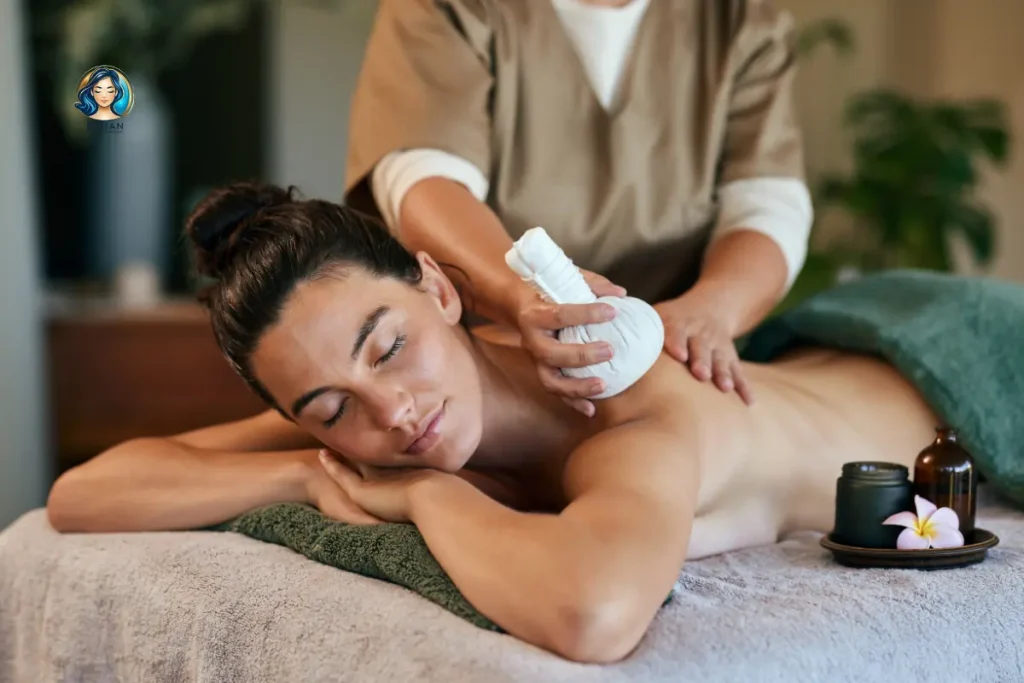
Not every full body massage looks the same. Depending on the spa and the client’s preference, sessions can lean toward different techniques, each with its own focus and feel.
Swedish-Style Full Body Massage
This is the most common style requested by first-time clients and those looking for general relaxation. It uses long, flowing strokes combined with moderate kneading, designed to promote circulation and ease overall tension without applying intense pressure.
Deep Tissue Full Body Massage
For clients dealing with chronic tightness or muscle knots, a deep tissue approach applies firmer, more concentrated pressure to reach deeper layers of muscle and connective tissue. This style is more therapeutic than purely relaxing, and it’s common to feel some soreness in the day or two afterward.
Aromatherapy Full Body Massage
This variation incorporates essential oils like lavender, eucalyptus, or chamomile alongside classic massage strokes, adding a calming sensory layer that’s particularly effective for stress, anxiety, and sleep difficulties.
Four Hand Full Body Massage
Performed by two therapists working in coordinated rhythm, this style covers more of the body simultaneously and creates a uniquely immersive, deeply relaxing experience that many clients describe as one of the most effective treatments they’ve tried.
Dry Full Body Massage
For clients who prefer not to use oil, a dry massage relies on firm hand pressure, stretching, and acupressure-style techniques, often performed through light clothing. It’s a strong option for those who want the therapeutic benefits of massage without an oil-based finish.
Full Body Massage for Different Lifestyles
The way full body massage benefits someone tends to shift depending on their daily routine, which is worth thinking about before you book a session or decide how often to return.
For Office Workers and Desk-Based Professionals
Long hours in front of a screen tend to concentrate tension in very predictable places — the neck, upper shoulders, and lower back. A full body massage that spends extra attention on these areas, while still covering the arms and legs, tends to produce the most noticeable relief for this group. Many office workers in Dhaka book a session at the end of a demanding week specifically to prevent that stiffness from building into something more chronic.
For Couples
Couples often look for full body massage as a shared wellness activity rather than a purely individual treatment. Side-by-side sessions give both people a chance to unwind together, and many spas — including ours — can accommodate this with advance notice, making it a popular choice for anniversaries or simply a joint weekend reset.
For Tourists and Business Travelers
Long flights, unfamiliar beds, and packed itineraries take a real physical toll. A full body massage booked early in a trip to Dhaka can help travelers adjust more comfortably, while one booked toward the end can ease the physical strain of a demanding schedule before the journey home.
For Wellness Enthusiasts Building a Routine
For clients who already prioritize fitness, nutrition, and sleep, full body massage tends to work best as a scheduled part of that broader routine rather than an occasional reward. Pairing it with adequate hydration and rest days around intense exercise tends to produce the most noticeable, lasting benefit.
How Full Body Massage Compares to Other Wellness Treatments
It’s worth understanding how full body massage fits alongside other wellness treatments people often consider, since it isn’t meant to replace every other form of self-care — it complements them.
- Compared to a gym session, full body massage passively releases tension rather than building strength, making the two genuinely complementary rather than interchangeable
- Compared to meditation, massage achieves a similar calming effect on the nervous system but through physical touch rather than mental practice alone
- Compared to a hot bath or sauna, massage offers more targeted muscular relief, since a therapist can respond directly to specific areas of tightness
- Compared to over-the-counter pain relief, massage addresses the underlying muscular tension rather than temporarily masking discomfort
None of these comparisons suggest one approach is universally better — they simply highlight that full body massage plays a distinct role, one that’s difficult to fully replicate through other forms of self-care alone.
Full Body Massage vs Targeted Massage: Key Differences
One of the most common points of confusion for first-time clients is whether to book a full body session or a targeted treatment focused on one specific area. Here’s a quick comparison to clarify the difference.
| Factor | Full Body Massage | Targeted Massage |
| Coverage | Entire body — back, neck, arms, legs, feet | Single area, e.g., neck, lower back, or feet |
| Best For | General stress relief and overall maintenance | A specific pain point or acute issue |
| Session Length | Typically, 60–90 minutes | Often 30–45 minutes |
| Pressure Focus | Balanced across the whole body | Concentrated on one problem area |
| Ideal Frequency | Every 2–4 weeks for ongoing wellness | As needed for flare-ups or acute tension |
What to Expect During Your First Full Body Massage Session?
If you’ve never had a professional massage before, knowing what to expect can make the experience far more comfortable. Most sessions follow a similar structure regardless of the spa you visit.
- A brief consultation where the therapist asks about your health history, comfort level, and any specific areas of tension
- Privacy to undress to your comfort level and lie down under a sheet or towel, which stays in place throughout the session except for the area being worked on
- A gradual warm-up using lighter strokes before the therapist moves into firmer pressure
- Regular check-ins about pressure, particularly during the first session, so the therapist can calibrate to your preference
- A few quiet minutes at the end of the session to allow your body to transition before getting up
It’s completely normal to feel a little unsure during your first visit. A good therapist will explain each step and make sure you’re comfortable before proceeding, rather than rushing straight into deep pressure without context.
How to Prepare for a Full Body Massage
- Arrive 10–15 minutes early to avoid rushing straight from traffic onto the table
- Avoid a heavy meal beforehand, since lying face-down can be uncomfortable on a full stomach
- Mention allergies, skin sensitivities, or medical conditions during the consultation rather than after the session begins
- Wear comfortable clothing that’s easy to change out of, and remove jewelry beforehand
- Communicate clearly about pressure preference — ‘firmer’ or ‘lighter’ is more useful feedback than staying silent through discomfort
- Turn your phone to silent so you can fully disconnect for the length of the session
Aftercare Tips Following a Full Body Massage
- Drink water afterward to support circulation and help the body process released tension
- Avoid intense exercise immediately following your session — give your muscles a few hours to settle
- Take a warm rather than very hot shower, which can be drying after an oil-based treatment
- Allow yourself genuine rest afterward rather than jumping straight back into a packed schedule
- Some mild soreness the next day is normal, especially after a firmer session, and typically fades within a day or two
Full Body Massage Pros and Cons
| Pros | Cons |
| Addresses tension across the entire body in one session | Longer session length may not suit very tight schedules |
| Supports both physical recovery and mental relaxation | May not be as concentrated for a single acute problem area as a targeted session |
| Improves circulation, flexibility, and sleep quality over time | Requires finding a genuinely skilled therapist for consistent results |
| Works well as a recurring wellness habit rather than a one-time fix | Some soreness possible after firmer sessions, particularly the first few visits |
How Often Should You Get a Full Body Massage?
For general wellness maintenance, most clients find that a session every two to four weeks strikes the right balance between consistent benefit and practical scheduling. People dealing with chronic tension, high stress jobs, or physically demanding routines sometimes benefit from more frequent sessions, particularly in the first month or two of establishing a routine, before settling into a maintenance schedule.
There’s no universal right answer here — it depends on your body, your stress levels, and your budget. What matters more than exact frequency is consistency. A single massage every few months will feel nice in the moment, but the deeper, cumulative benefits — better sleep, improved flexibility, lower baseline stress — come from treating it as an ongoing part of your routine rather than an occasional treat.
Common Misconceptions About Full Body Massage
One persistent myth is that a good massage always has to hurt to be effective. In reality, therapeutic benefit comes from appropriate pressure matched to what your muscles need, not from enduring pain. If a session is consistently uncomfortable rather than firm, that’s a sign to speak up, not push through.
Another common misunderstanding is that full body massage is purely a luxury with no real health value. While it certainly feels indulgent, the physiological effects on circulation, muscle tension, and stress hormones are well documented and make a genuine case for treating it as part of a broader wellness routine rather than an occasional splurge.
Finally, some people assume more pressure always equals better results. This isn’t true — deeper pressure works well for chronic tightness, but for general stress relief or a first-time visit, moderate pressure often produces better results with far less post-session soreness.
Who Should Be Cautious with Full Body Massage?
Full body massage is considered safe for most healthy adults, but a few situations call for extra caution or a quick conversation with your therapist before booking.
- Pregnant clients should confirm which techniques and pressure levels are appropriate for their stage of pregnancy
- Anyone recovering from a recent injury or surgery should get clearance from their doctor before a full body session
- People with certain chronic conditions, such as uncontrolled high blood pressure or blood clotting issues, should consult their physician first
- Clients with skin conditions or known allergies should mention this during the consultation so oils can be adjusted accordingly
- Anyone currently dealing with a fever, infection, or contagious illness should reschedule until fully recovered
Best Full Body Massage in Dhaka: What to Look For
Massage therapy in Dhaka has grown considerably over the past few years, with demand rising across busy neighborhoods like Gulshan, Banani, and Uttara, where long commutes and demanding schedules leave people genuinely searching for ways to unwind. At Ethan Spa on Kemal Ataturk Avenue, Dhaka 1213, we regularly see clients traveling from these areas specifically because they want a full body massage tailored to their actual needs rather than a rushed, generic package.
Choosing the best full body massage in Dhaka isn’t necessarily about finding the most expensive spa on the map — it’s about finding a professional environment where the therapist actually listens during the consultation, adjusts pressure throughout the session, and maintains proper hygiene and privacy standards. A rushed 30-minute session marketed as a ‘full body’ treatment rarely delivers the same value as a properly paced 60-to-90-minute session that genuinely covers the entire body.
Office workers across Dhaka increasingly treat full body massage as a recurring part of their wellness routine rather than an occasional indulgence, often booking sessions after particularly demanding weeks or ahead of busy travel periods. Couples visiting from Gulshan and Banani sometimes ask about booking side-by-side sessions, which is worth confirming directly with the spa since availability for simultaneous treatments can vary.
For tourists and business travelers staying near Dhaka 1213, a well-timed full body massage can also be an effective way to recover from a long flight or a packed meeting schedule before heading into the next part of the trip.
What to Look for in a Professional Full Body Massage Provider
- Trained therapists who ask about your health history and comfort level before starting
- Clean, private treatment rooms with proper hygiene standards
- A choice of oils and techniques, including options for sensitive skin
- Flexibility to adjust pressure and pacing throughout the session, not just at booking
- Clear communication about pricing, duration, and what each treatment includes
- A calm, unhurried environment rather than a rushed, high-turnover setup
It’s also worth paying attention to smaller details — whether towels and linens are fresh for every client, whether the room temperature is comfortable, and whether the therapist checks in periodically during longer sessions. These details rarely show up in advertising, but they’re usually the clearest sign of a spa that takes the craft seriously rather than simply going through the motions.
Key Takeaways
- Full body massage addresses the entire body in one session, making it ideal for general stress relief and overall wellness
- Benefits extend beyond relaxation to include improved circulation, better sleep, and reduced stress hormones
- Different styles — Swedish, deep tissue, aromatherapy, four hand, and dry massage — suit different needs
- Consistency matters more than intensity; regular moderate sessions outperform occasional deep, aggressive ones
- Choosing a professional provider with proper hygiene, communication, and technique matters more than price alone
Conclusion
A full body massage is far more than an hour of relaxation — it’s a structured, technique-driven therapy that supports circulation, eases accumulated muscle tension, and gives your nervous system genuine space to reset. Whether you’re dealing with the physical toll of a desk job, recovering from travel, or simply building a healthier self-care routine, understanding how the treatment works helps you get real value out of every session.
If you’re new to full body massage, the best approach is to start with a moderate-pressure session, communicate openly with your therapist, and pay attention to how your body responds over the following days. From there, you can adjust frequency, pressure, and technique to build a routine that genuinely fits your body’s needs rather than following a generic template.
Over time, many clients find that this kind of treatment becomes less of an occasional treat and more of a dependable tool for managing stress, staying physically limber, and maintaining a sense of balance through busy weeks. That shift — from indulgence to habit — is really where the deepest, most lasting benefits begin to show, long after the session itself has ended.
Frequently Asked Questions
What is included in a full body massage?
A full body massage typically covers the back, shoulders, neck, arms, hands, legs, and feet, often including the scalp as well, using a combination of gliding, kneading, and focused pressure techniques.
How long does a full body massage session usually take?
Most full body massage sessions run between 60 and 90 minutes, allowing enough time to properly address the entire body rather than rushing through each area.
Is full body massage good for stress relief?
Yes, full body massage is one of the most effective treatments for stress relief because it reduces cortisol levels, encourages the release of mood-supporting chemicals, and gives the nervous system time to fully relax.
Does a full body massage hurt?
A properly performed full body massage shouldn’t be painful. Pressure can be adjusted from light to firm based on your preference, and any discomfort should be communicated to the therapist immediately.
How often should I get a full body massage?
Most clients benefit from a session every two to four weeks for ongoing wellness, though this can be adjusted based on stress levels, physical activity, and personal budget.
What should I wear during a full body massage?
You’ll typically undress to your comfort level and lie under a sheet or towel that stays in place throughout the session, except for the specific area being worked on at any given moment.
Can full body massage help with back pain?
Yes, full body massage can help relieve back pain caused by muscle tension and poor posture, particularly when combined with regular sessions rather than a single one-time visit.
Is oil used during a full body massage?
Most full body massage sessions use oil to reduce friction and allow smoother, more continuous strokes, though dry versions using light clothing and firm pressure are also available on request.
What is the difference between full body massage and a targeted massage?
A full body massage covers the entire body in one session, while a targeted massage focuses on a single area, such as the neck or lower back, usually in a shorter session length.
Can I request a specific pressure level during my session?
Absolutely — communicating your pressure preference before and during the session helps the therapist adjust their technique to match exactly what your body needs.
Is it normal to feel sore after a full body massage?
Mild soreness the day after a firmer session is normal and typically fades within a day or two, similar to the feeling after a good workout.
Where can I get a professional full body massage in Dhaka?
Ethan Spa on Kemal Ataturk Avenue, Dhaka 1213, offers professional full body massage, along with dry massage, oil massage, aromatherapy massage, and four hand massage, serving clients across Dhaka including Gulshan, Banani, and Uttara.
Can pregnant women get a full body massage?
Certain techniques and pressure levels aren’t recommended during pregnancy, so it’s important to inform your therapist in advance so they can adjust the treatment or recommend a pregnancy-safe alternative.
Does full body massage help with sleep problems?
Yes, full body massage can support better sleep quality by calming the nervous system and reducing the physical tension that often interferes with restful sleep.